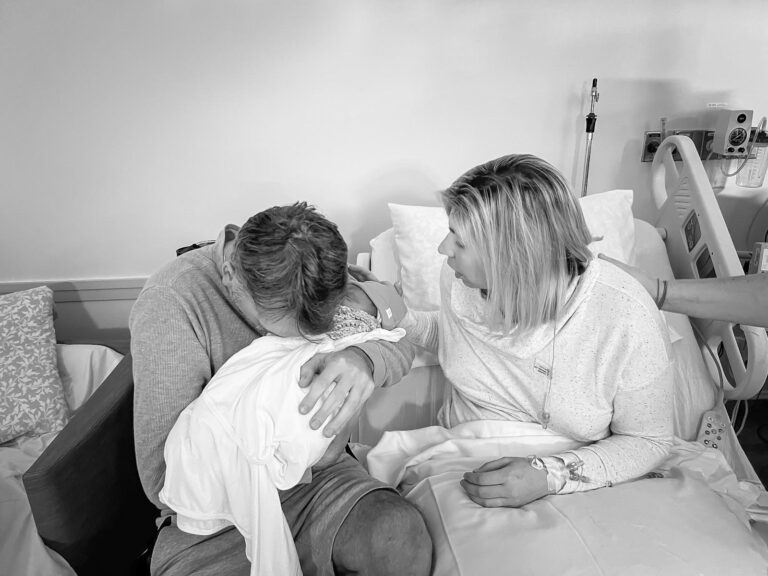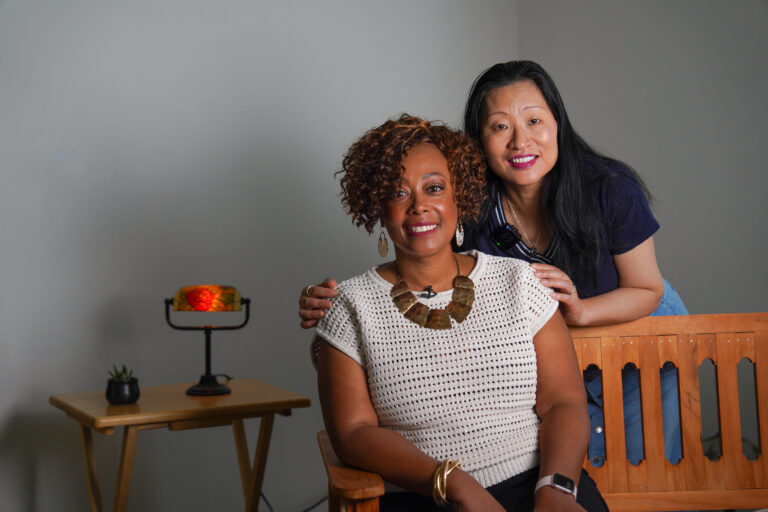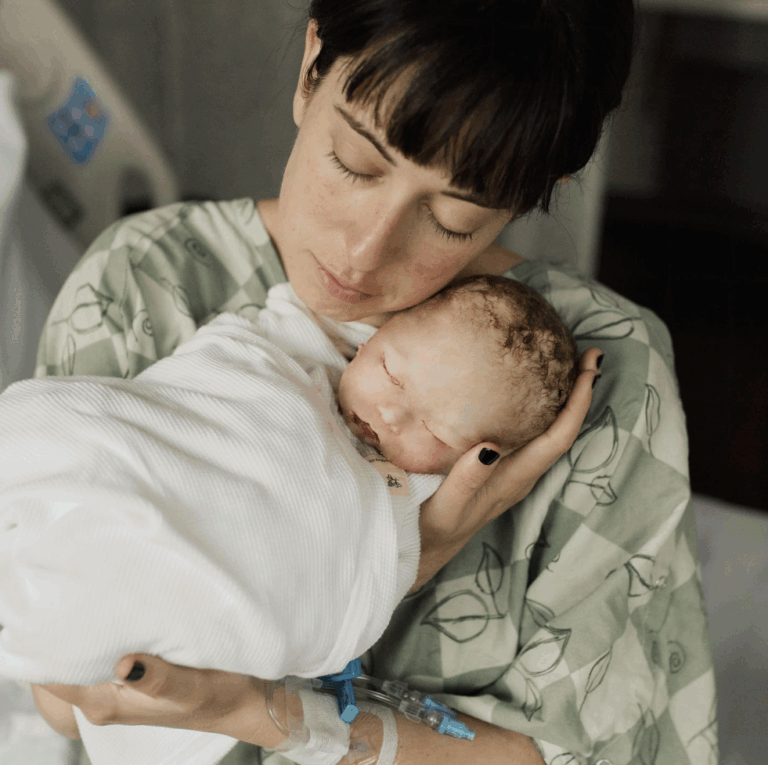

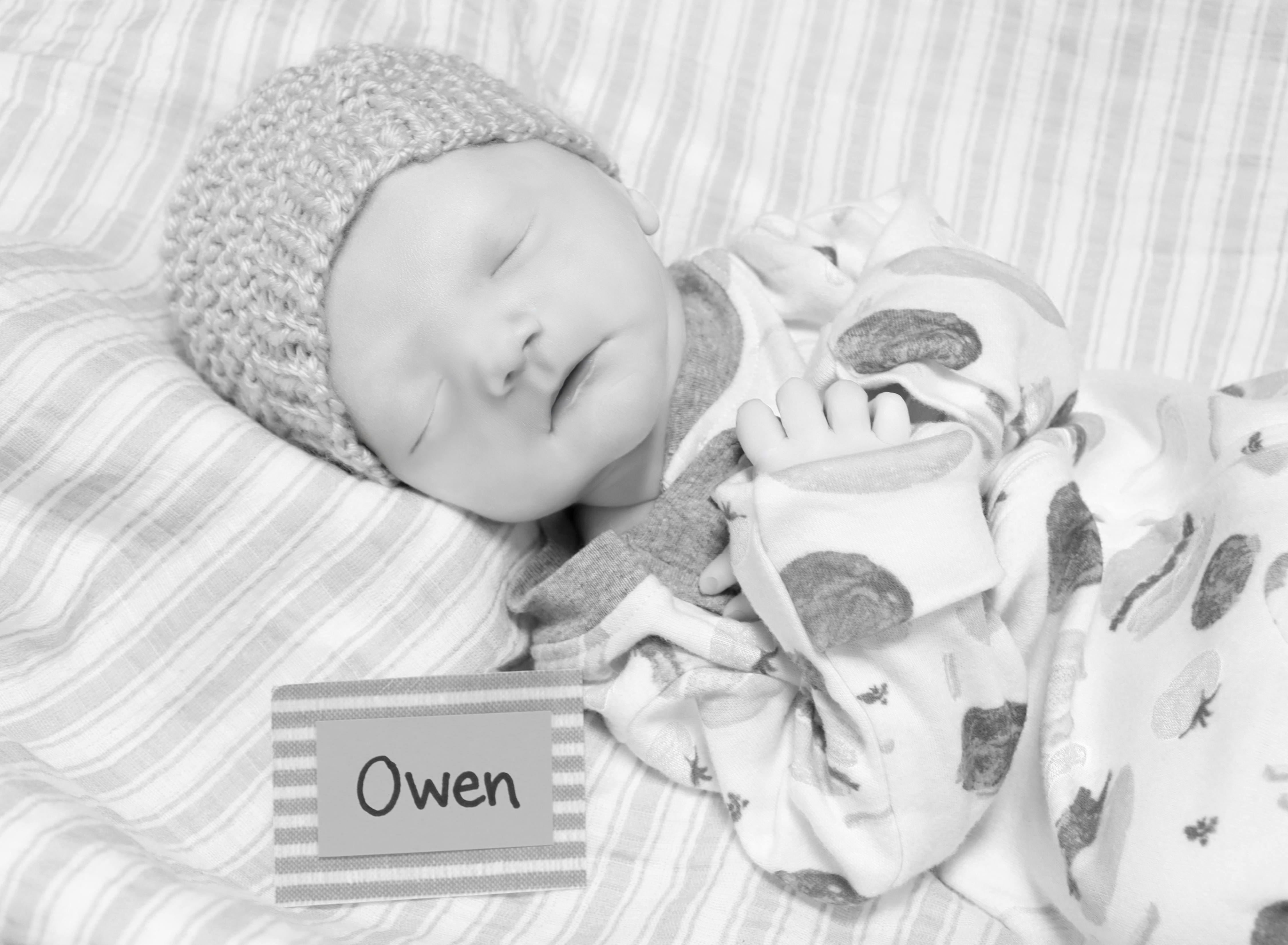
Emma Wambeke is Owen’s mom, who was stillborn at 38 weeks despite a low-risk pregnancy. She shares his story to raise awareness about gaps in placental health monitoring and advocates for life-saving practices like Estimated Placental Volume (EPV), honoring Owen by working to prevent other families from the same loss.

Photo from Emma Wambeke. Edited by NILMDTS.org.
My pregnancy with our son Owen was generally normal and healthy until, at full term, Owen’s heartbeat couldn’t be found, then he died before he got the chance to live. My pregnancy was classified as low risk, but my baby died at 38 weeks. It turns out, low risk just means not yet diagnosed as high risk.
Looking back, there were moments I was reassured everything was okay, but in hindsight, there were red flags. Very early on, I was diagnosed with low progesterone, which could indicate miscarriage, but supplements might help prevent it. I started them right away. That helped. One week later, at the first ultrasound, my son had a strong, healthy heartbeat. I felt like we beat the odds.
The rest of the weeks passed like a healthy pregnancy. My son’s NIPT genetic test was low risk. I was told I had an A+ on the anatomy scan. I easily passed the gestational diabetes test, my blood pressure was optimal, and my Group B Strep test was negative.
At 37 weeks, I noticed Owen was moving less. I couldn’t explain it, but something felt off. I reported it at my next appointment. I was reassured after my provider checked Owen’s heartbeat with a Doppler that he was okay, and babies run out of room towards the end of pregnancy. It didn’t sit right with me. I felt dismissed, but I left, thinking I should trust my doctor. What did I know? This was my first pregnancy, and these people were “experts”.
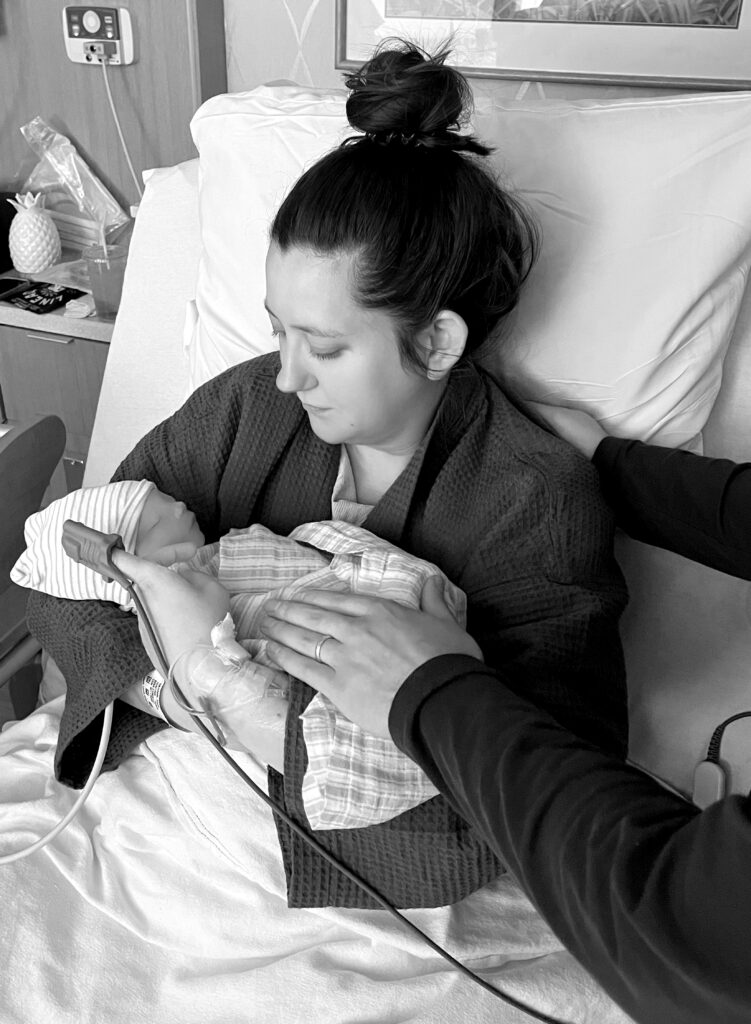
Photo from Emma Wambeke. Edited by NILMDTS.org.
That night, I woke up to my first and only panic attack. I called the hospital, hoping to be seen immediately, but was asked to calm down at home and come in the morning. Once I did, I started feeling Owen kick again. At the appointment, I passed with a “textbook perfect” NST. I was told to work on reducing my stress, “perhaps try acupuncture”. Less than a week later, still feeling him move less, we found out our son did not have a heartbeat. Owen had died.
During and following delivery, my medical team tested me for every known cause of stillbirth, including a pathology report of Owen’s placenta. Everything came back normal—except one key finding. Owen’s placenta measured at the 0.005 percentile, the size expected at 28, not 38 weeks. Both the hospital and Dr. Kliman confirmed that Owen’s placenta was too small to sustain him.
Looking back, other signs were missed. At my 36-week appointment, our provider noticed that my fundal height was measuring behind. The next week, my fundal height measured low again, but was immediately re-measured slightly longer, and my chart was corrected rather than followed up with additional testing. In hindsight, I desperately wish these warning signs had been investigated with more thorough testing.
It turns out there were other things that could have been done differently that I learned only after Owen died. I was given outdated information about how to count Owen’s kicks: 10 kicks every 2 hours. However, I could have been using an app called “Count the Kicks” that helps you get to know your baby’s normal movement patterns and empowers you to get seen if your baby’s movements ever change.
I learned there’s a gap between research on placental health and what medical teams practice. Multiple doctors told me that there’s no way to measure the size of the baby’s placenta during pregnancy beyond using fetal growth as a proxy, but then I learned about Estimated Placental Volume (EPV) through Instagram.
Systemic failures shaped my pregnancy with Owen. I was labeled ‘low risk’ based on checkboxes, not a full picture. Ignoring crucial data on my placenta’s health could’ve changed everything. Without it, I was falsely reassured, dismissed as just another anxious mom, even when my gut said something was wrong.
It breaks my heart knowing that Owen’s death was preventable. The warning signs were there, but the standard of care does not currently utilize tests that could have changed this outcome. This gap in placental health monitoring does not need to continue. There’s a simple 30-second ultrasound measurement called EPV. If it were routine in all pregnancies, Owen’s growth issues might’ve been caught, and my concerns about his movement taken seriously.
Just weeks before his death, Owen was healthy. Now, instead of raising him, I share his story to spare others this heartbreak. Sadly, stillbirth can happen in low-risk pregnancies. Families and our children deserve better care. EPV measurements should be a part of the standard of care for all pregnancies.