
In the desert plains of Kutch, Western India, where the sun burns hot and the earth holds generations of memory, a way of life is slowly disappearing.
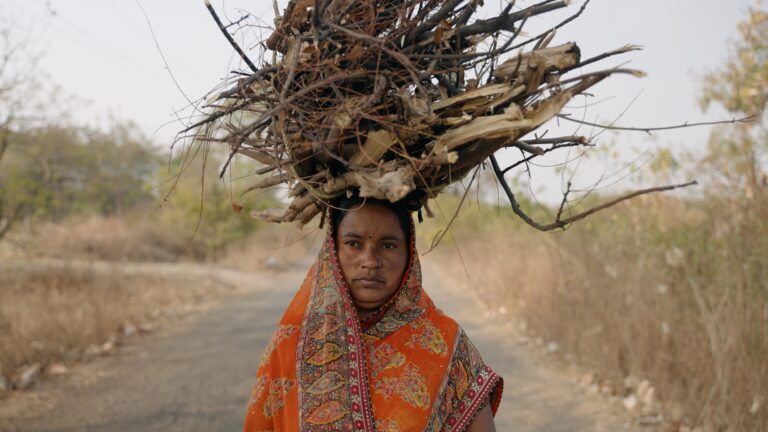
For centuries, nomadic camel-herding communities like the one led by Ahmed and Sakina have lived in a deep relationship with the land. moving with the seasons, raising their families under stars, and passing down knowledge not found in textbooks but in footsteps, firewood, and sky.
Today, that rhythm is being interrupted. As India industrializes and the global climate crisis intensifies, ancient practices are giving way to modern demands. In Under the Open Sky, a documentary supported by the Zain Jaffer Foundation, we witness this unraveling not through abstraction or policy, but through one family’s deeply human story.

UNDER THE OPEN SKY. Photo from documentary.
A Life Between Worlds
Spanning over five years, Under the Open Sky follows the transition of Ahmed, Sakina, and their five children from nomadic camel-herders to daily-wage laborers. What once was a life marked by freedom and intimate connection with nature has become a life tethered to survival—loading carts of sand in exchange for a few hundred rupees, trading starry skies for dust-filled settlements. This shift is not just economic, it is also cultural and existential.
The documentary captures this slow transformation with sensitivity and urgency. It doesn’t frame the family as victims or idealize their past. Instead, it shows the quiet strength of adaptation and the unspoken grief of letting go.
Globalization at the Margins
Globalization promises opportunity, but it also demands conformity. For communities like those in Kutch, that often means giving up traditional livelihoods that are deemed “unproductive” or “inefficient” in today’s economic terms.
Pastoralism, with its seasonal migrations and spiritual closeness to animals, doesn’t fit neatly into modern development frameworks. As sand mining, road-building, and industrial projects creep further into remote areas, families are pushed into cities or extractive labor. Their knowledge systems are dismissed, their contributions unseen.
Under the Open Sky asks us to look again. Through this lens, the foundation isn’t just funding a story—it’s preserving a memory, a voice, a place that still holds wisdom despite modern pressures to erase it.
When we talk about globalization, we often focus on what’s gained, but we rarely account for what is lost. The story of Under the Open Sky reminds us that these “losses” are not abstract but rather personal, spiritual, and irreversible.

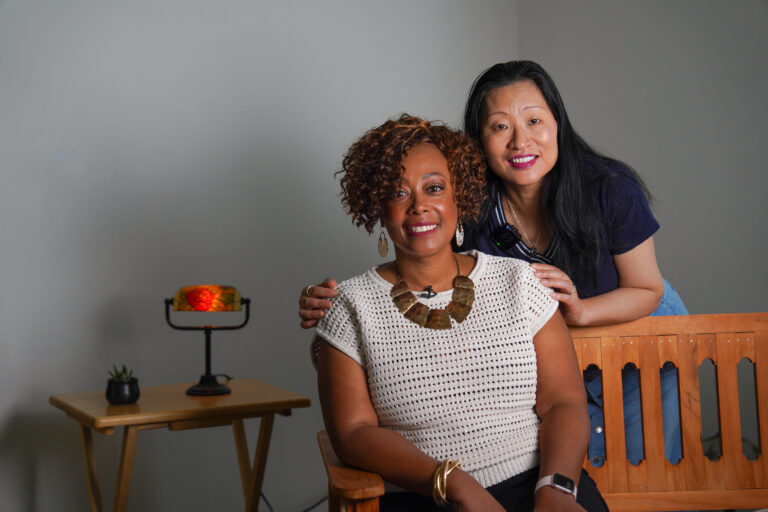
UNDER THE OPEN SKY. Photo of the crew behind the project.
A Call to Witness
Documentaries like Under the Open Sky serve a deeper purpose. They don’t just inform. They also invite us to sit with complexity. To see modernization not as inherently good or bad, but as a force that requires accountability, equity, and care.
By supporting this film, the Zain Jaffer Foundation continues its commitment to amplifying underrepresented voices, especially those navigating the pressures of change without the power to shape it.
Under the Open Sky is not just about one family. It is about the quiet disappearance of worlds that once flourished, and the urgent need to ask: progress for whom? And at what cost? Because if the sky is no longer open, if tradition no longer has space to breathe, what kind of future are we really building?