
By Jennifer Rogalski
It began with a stillness I will never forget. That morning, I had been vacuuming every corner of the house, nesting in anticipation of my baby’s arrival. Everything felt normal — even joyful — until I sat down for lunch and realized I hadn’t felt my baby move for several hours.
My heart sank, though I tried to quiet the panic rising inside me. I called my husband, asking him to take me to the hospital, but insisted it wasn’t an emergency and told him to take his time. When we arrived, the intake nurse smiled reassuringly: “This happens… you’re probably just in labor!” She directed us to the Labor and Delivery unit.
The nurse who greeted us there was the first to show a sense of urgency. She quickly led me into an exam room and placed the non-stress test discs across my belly. After a few tense moments, she said she couldn’t find the baby’s heartbeat and left to get an ultrasound machine and a doctor. I clung to the thought that it must just be a problem with the machine. But when the doctor arrived, he quietly told us there was no heartbeat. A radiologist would need to confirm the findings, he explained, and then we would discuss delivery options.
My husband’s screams filled the room. I begged him to stop so I could understand what was happening — the way I instinctively turn down the radio while driving when I need to focus on finding my next turn. Only moments passed, though they felt like hours, before the radiologist arrived and confirmed what we already feared: our beloved baby had died.
Driving home in silence, I stared at the empty car seat we had installed just days earlier with such full hearts. I couldn’t comprehend that he would never come home in it.
I couldn’t believe it was real. My two best friends were pregnant — how could I tell them? How could I tell my job that I needed to start my maternity leave three weeks early, yet wouldn’t need the planned four months off because my baby was gone? I thought stillbirth was something that only happened in the 1800s — or to animals. My provider never mentioned that our baby could die this late in pregnancy. How could I possibly explain this to anyone when I didn’t understand what was happening at all?
We had been so hopeful. My husband and I were married in August 2022. Just six weeks before our wedding, we learned we were expecting — a huge, but welcome, surprise. My pregnancy was mostly uneventful until our 20-week anatomy scan, when we learned that Baby Rogalski and I shared a two-vessel umbilical cord instead of the typical three-vessel cord. We were referred to maternal-fetal medicine, but after one visit, they reassured us that everything else looked great, so we continued care with my midwife.
Around 34 weeks, we had another scare when I was told my amniotic fluid was low, though still within the normal range. We scheduled extra ultrasounds to monitor the baby’s growth, and everything remained relatively normal over the next few weeks. At 37 weeks, the fluid was still in the low-normal range, and we scheduled a follow-up for the next week. Tragically, we never made it to that 38-week ultrasound.
Instead of going in for that appointment, we met with our midwife to discuss delivering our baby who had died. All of my previous visits had been at 8 AM, but this one was at 11 AM. It was as if some higher force knew we’d need the extra time. Our provider spent well over an hour with us, even through her lunch break, and we returned to the hospital at 7 PM on Tuesday, April 4, for a scheduled induction.
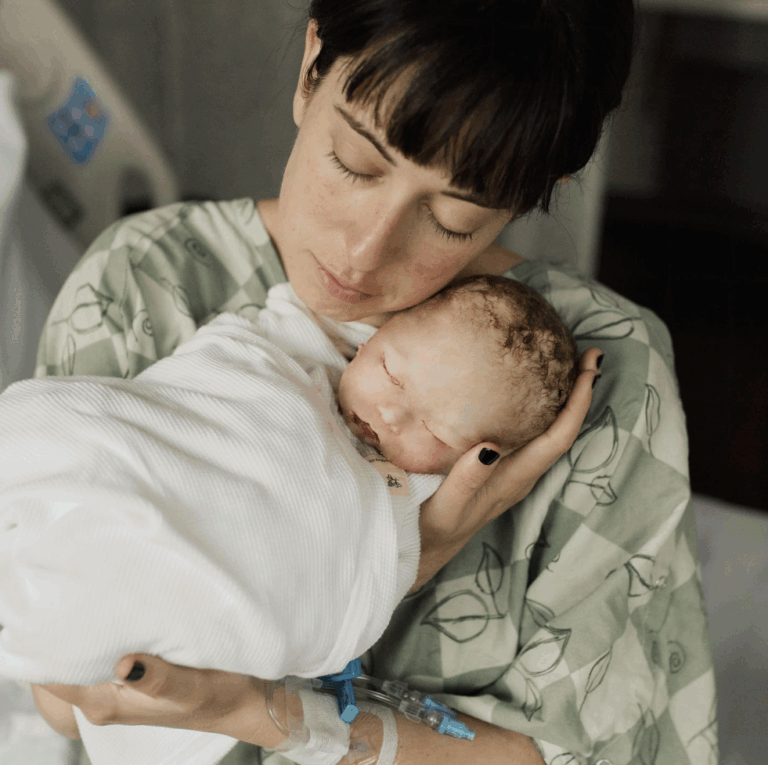
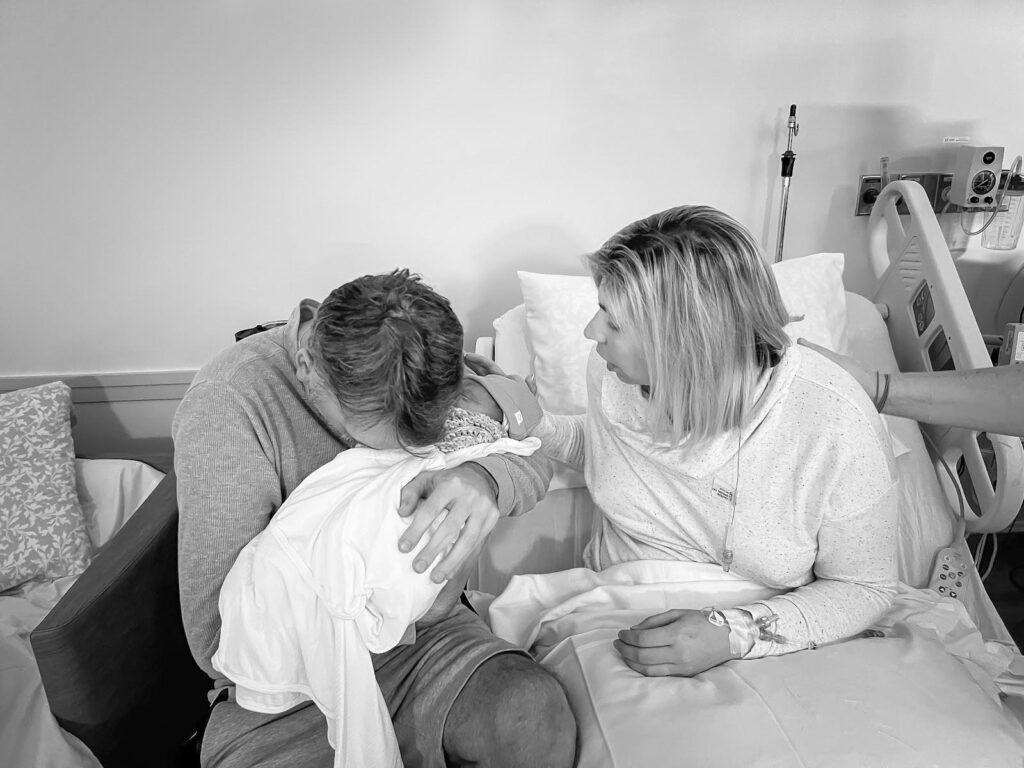
Baby Rogalski was born at 7:41 AM, after just 12 hours in the hospital. Despite the heartbreak, I’m deeply grateful that his delivery was peaceful. We spent the next 11 hours in a large postpartum room, and though the hospital had a strict no-visitor policy, our closest family and friends were allowed to meet him before we said goodbye.
Two moments from those 11 hours vividly stand out in my memory:
- During the short time when it was just me, my husband, and our son together, we had “dinner” as a family — for the first and only time, it was just the three of us.
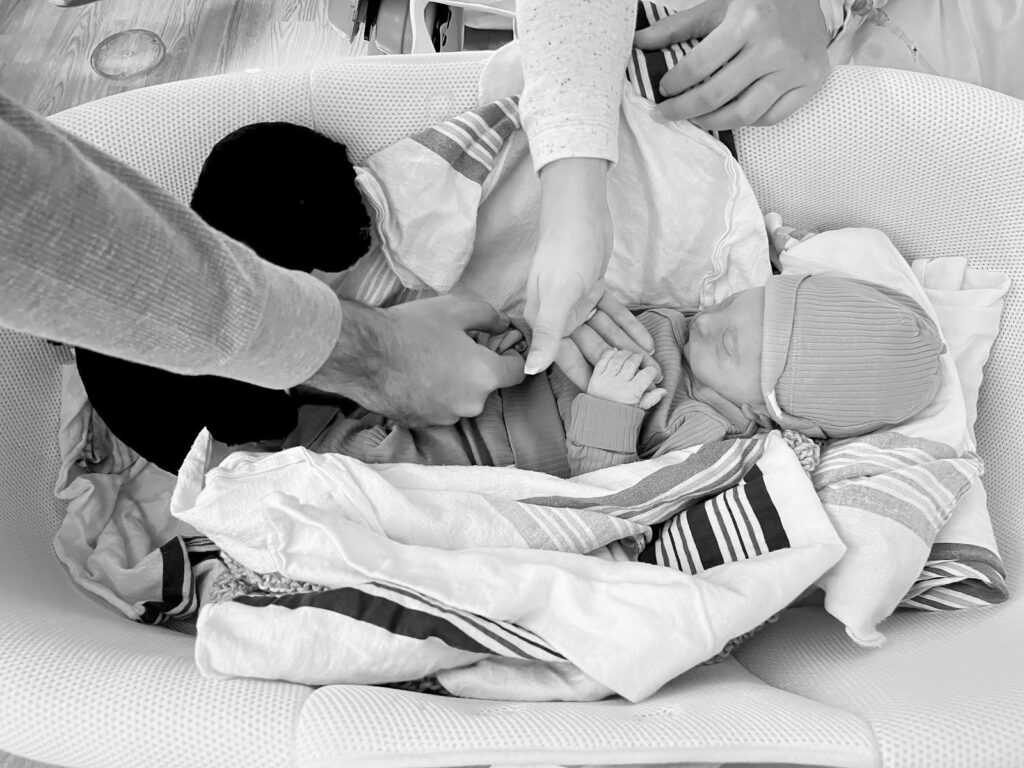
- Watching him be wheeled out of our room in a precious white cot instead of going home with us. Our midwife pushed him to the right, toward the morgue, while we turned left to walk down the longest, coldest hospital hallway to our car.
Talking about these memories isn’t easy, but they aren’t filled with the gut-wrenching sadness people might expect. Though hard to imagine for someone who hasn’t experienced this loss, our baby’s short life had a lasting impact, and we are thankful for that. We talk about him every day.
But this isn’t just our story. Every year, thousands of families across the U.S. experience the devastation of stillbirth. In Massachusetts, over 300 babies are stillborn annually, and across the country, more than 21,000 families face this heartbreak.
In the two years since Baby Rogalski’s passing, I’ve spoken with hundreds of other parents who have experienced stillbirth, and all too often I hear the same words I said in my shock: “I didn’t know this could happen.” Informative posters highlighting the signs and symptoms to watch for during pregnancy — including fetal movement monitoring — do exist, yet during my pregnancy I never saw one. I can’t help but wonder why this information isn’t posted on every door of every OB office bathroom, so that every parent, regardless of where they receive care, who their provider is, or their socioeconomic background, would have access to this potentially life-saving guidance.
Stillbirth is not always preventable, but it is always a tragedy. Its impact reaches far beyond the parents, touching grandparents, siblings, aunts, uncles, employers, friends, and colleagues — anyone who loves and supports the family. Data collection on stillbirths remains severely limited, and medical advancements that could help monitor a baby’s health in utero are urgently needed. Every parent deserves to be educated with the information that can make the difference between life and death.
I left the hospital with empty arms, and I now carry the knowledge of grief, a voice for advocacy, and a deep, enduring love for Baby Rogalski.
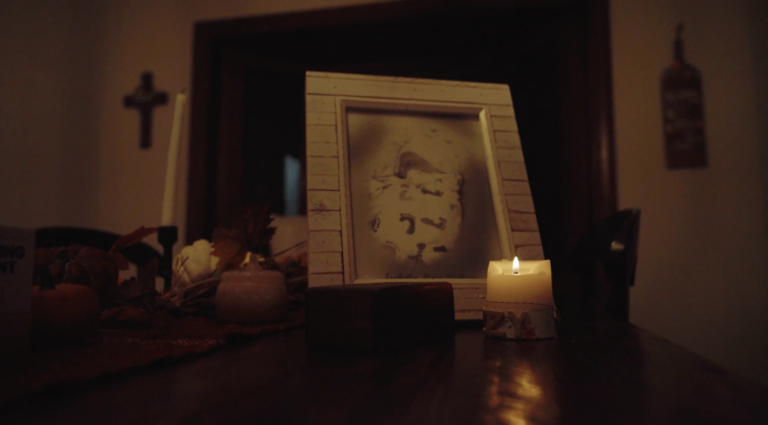
In loving memory of Baby Rogalski
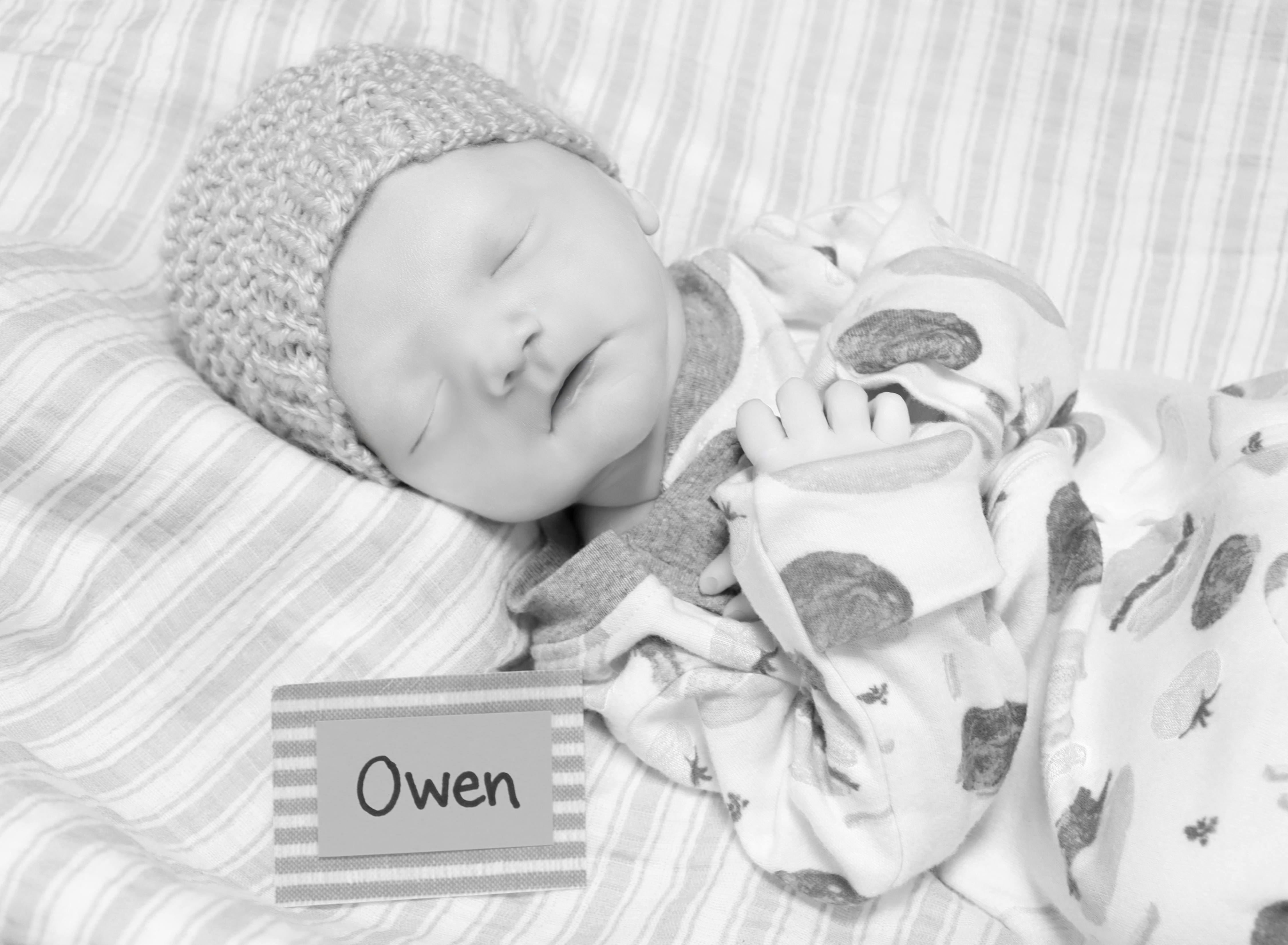
April 5, 2023 6lb. 12oz. 20in.
Stillborn, and still so very loved.