
By Jessi Michel
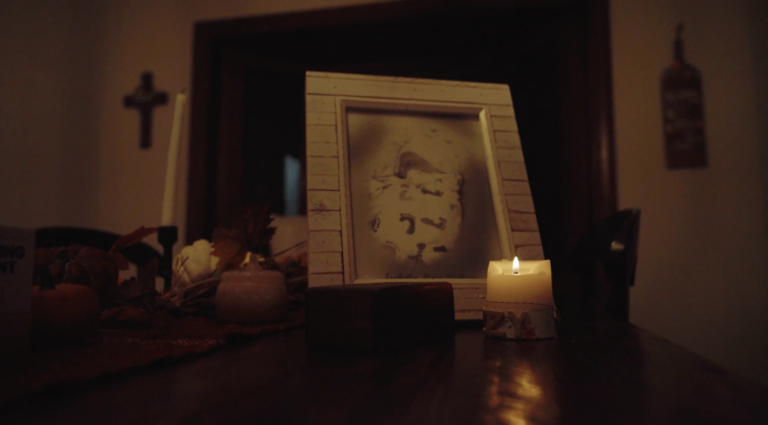
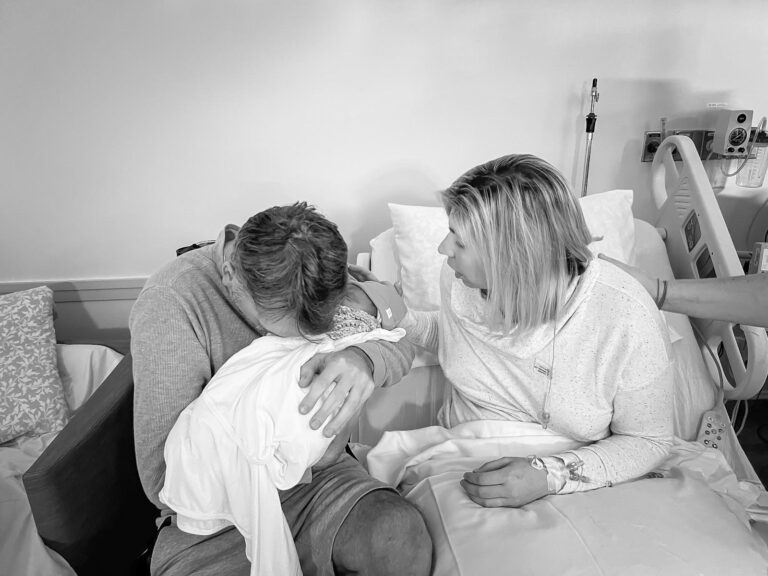
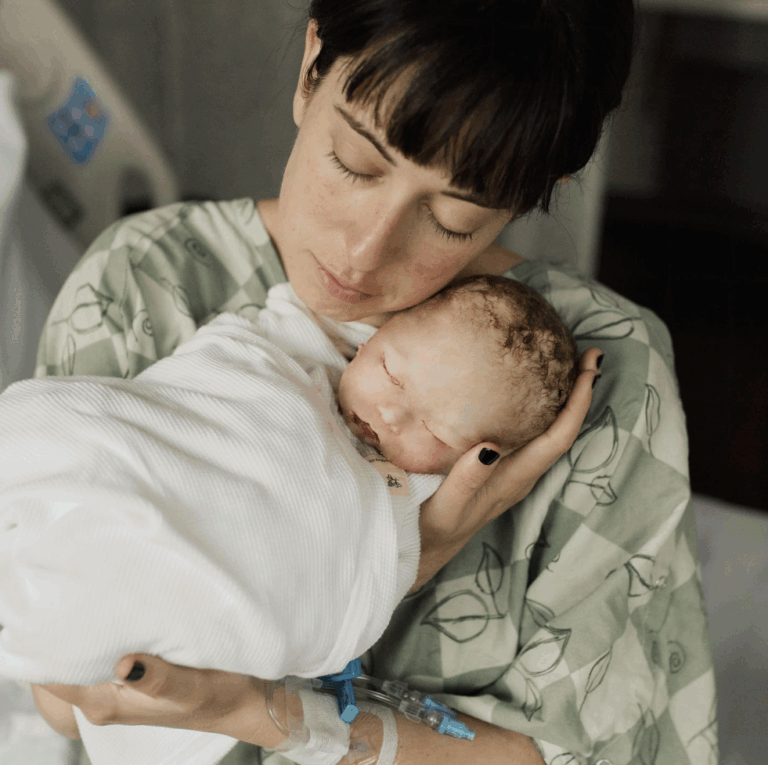
My daughter Freya Grace was perfect. Five pounds, fourteen ounces, twenty inches long. Her eyelashes, her tiny fingers and toes, the peach fuzz on her back… I’ve memorized every detail. We went into the hospital at 39 weeks, bags packed, ready to bring home our healthy baby girl. Instead, we left with empty arms and a broken future.
When the nurse couldn’t find her heartbeat, I was naïve enough to show her where Freya’s feet were, where her little tushy always pressed against my belly. I thought surely they just needed a better machine.
In that hospital room, as reality set in, the doctors and nurses were also shocked. I could see the heartbreak on their faces. They had followed the guidelines they were given, caring for us with kindness and attention. But those guidelines hadn’t been enough.
At 36 weeks, Freya’s growth was slowing down, but they told us she’d stay above the 10th percentile, the cutoff where they start to worry about stillbirth. No one explained what that meant for her survival or prepared us for any danger ahead. The word stillbirth never entered the conversation.
After she was gone, we learned her placenta was “small and old.” Our past ultrasounds and growth scans had measured Freya’s size and the placenta’s location, but not the placenta’s size or function. The pathology report showed her placenta percentile was .060%. Freya was trying to survive on a failing organ, and we had no idea.
Half of stillbirths are linked to placental issues. Yet we don’t routinely monitor the placenta’s size or health in this country. There are tools, like Estimated Placental Volume scans, that could save babies like Freya. But they aren’t standard practice.
It’s devastating that I have to say this: my daughter’s death was preventable.
Freya’s stillbirth wasn’t the result of one failure. It was the result of two preventable gaps in care: the lack of tools to detect when a placenta is beginning to fail and the outdated way we’re taught to monitor fetal movement.
I thought I was doing everything right. I thought I had the correct information. I thought our extra monthly growth scans would alert us to issues. I thought feeling any movement at all meant she was okay. But what I didn’t know is that changes in movement matter just as much as movement itself.
I look back and wonder, was she trying to tell me something before she died? The day before we went in, she had a series of sudden, jarring movements. Sharp, strong, unlike anything I’d felt from her before. I told myself it was a good sign. I had heard babies move less before labor. I had been told she was probably just “running out of room” or “getting ready to deliver.”
But now I know: that wasn’t true.
If I had known to watch for what was normal for her, if I had known that sudden, intense movement can be a sign of distress, I would have gone in right away. I wouldn’t have waited 18 hours for our scheduled induction.
Instead, I trusted the reassurance I was given. I silenced the little voice inside me that said something didn’t feel right. I didn’t know she was trying to speak to me with her body, in the only way she could.
Stillbirth is a hidden crisis claiming over 21,000 U.S. babies each year, 15 times more than SIDS. In Nebraska, an estimated 112 babies are lost annually, though poor data hides the full toll. At least 25% of stillbirths are preventable, yet Nebraska’s latest health needs assessment ignored stillbirth prevention entirely. The U.S. ranks among the worst of wealthy nations for stillbirth rates and among the slowest to improve.
This is not just about statistics. This is about babies who should be alive. About mothers who should be kissing soft cheeks instead of visiting gravestones. About siblings who should be sharing giggles and secrets, not grieving the sister they’ll never know.
I share Freya’s story because this grief, this emptiness, will be with me forever. But if speaking out can save even one baby, it’s worth my pain.
As a mother and a stillbirth survivor, I’m begging our medical community: please start monitoring placental health routinely. Teach parents about fetal movement monitoring. Talk honestly about stillbirth risk.
No family should leave the hospital without their baby when tragedy could have been prevented.
Freya should be here. And I will keep saying her name, and fighting for change, so other babies get the chance to live.