
The climate crisis is no longer a distant threat. It is a daily reality for millions, especially in less developed countries. According to the World Bank, climate change poses a more acute threat to poorer people across the world as it threatens to bring over 100 million people into poverty over the next decade.
In India, this struggle is already playing out in low-income neighborhoods, farming communities, and coastal villages.

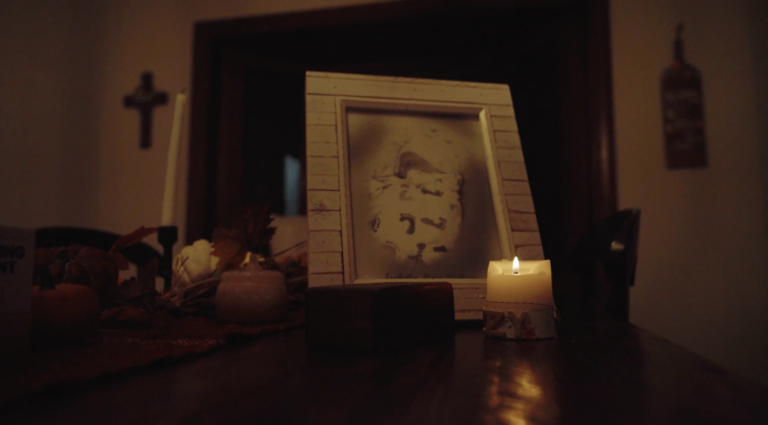
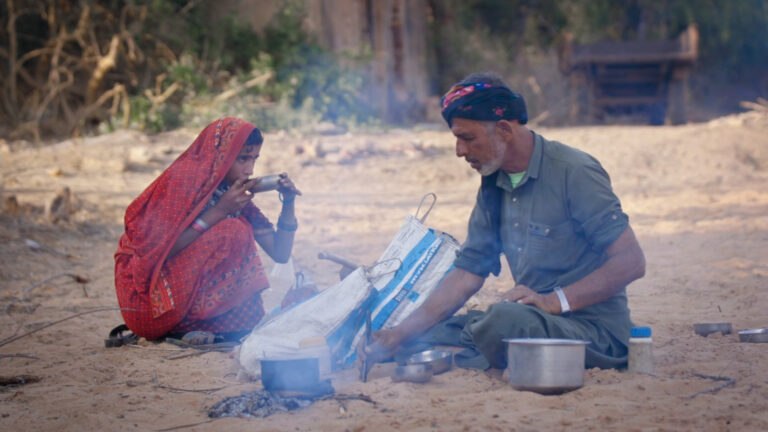
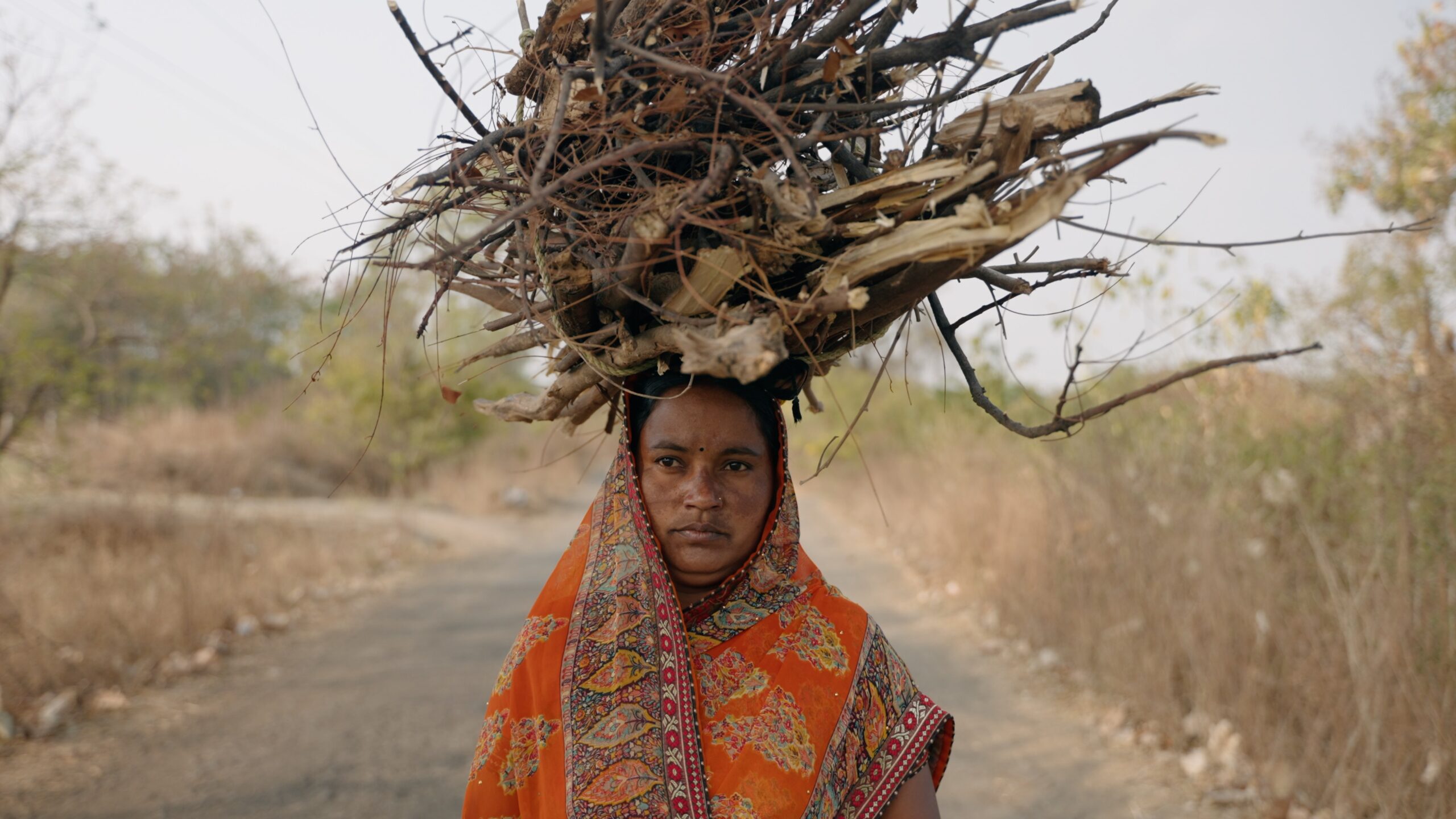
FORCED TO ADAPT. Photo from documentary.
Forced to Adapt, a three-part mini-documentary series, offers a window into this reality through the lives of people who are meeting the crisis head-on with ingenuity, care, and resolve.
The series centers around three individuals (Anjana, Sreejith, and Dipika), each living in different parts of India. Beyond their common exposure to the harsh realities of a warming planet, a more hopeful connection between the three is their commitment to building low-cost, low-tech, deeply human solutions. Their actions may be small in scale, but their impact is far-reaching.
In a world where climate discourse is often dominated by high-tech innovation or global-scale funding, Forced to Adapt brings attention to something often overlooked: that some of the most effective forms of adaptation are local, affordable, and community-led. These solutions are built from the ground up, shaped by necessity and guided by lived experience.
The series also puts an emphasis on agency. These are not stories of helplessness or despair. They are stories of people stepping into leadership roles by sharing knowledge, reviving traditional practices, or offering support to neighbors. The challenges they face are immense, and the odds are not always in their favor, but they keep going, adapting to the circumstances.

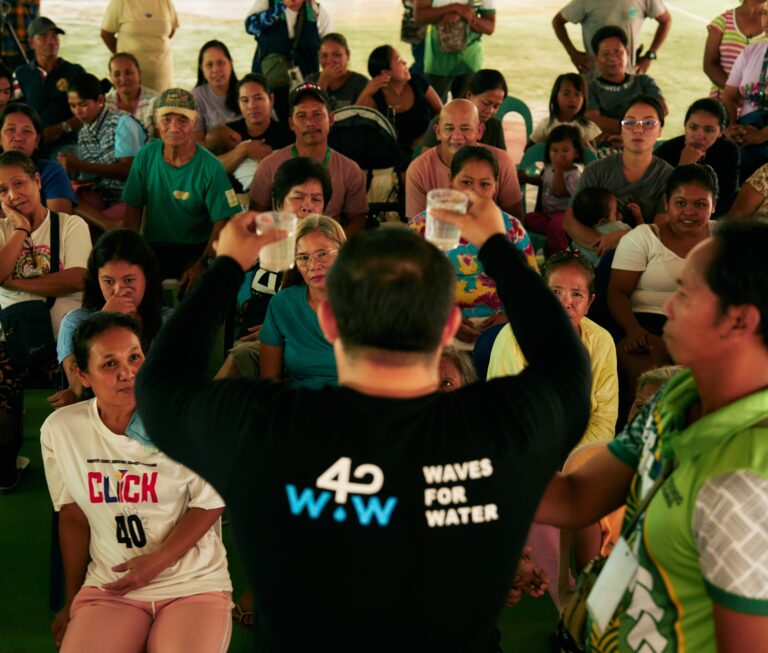
FORCED TO ADAPT. Photo from Kochi Biennale Premier.
In documenting the work of everyday climate leaders, the series not only highlights the cost of inaction but also the promise of grassroots solutions. It asks us to look beyond innovation as something external and elite, and instead see it in the creativity and courage of those who have no choice but to adapt.
In a time when so much of the climate conversation feels abstract or overwhelming, Forced to Adapt offers something different: clarity, groundedness, and hope shaped by the people living closest to the edge. The Zain Jaffer Foundation believes that documentaries like that of Forced to Adapt doesn’t just amplify the voices of their partner communities, but also educate audiences far from their realities. More than providing a platform for them to be heard, the Foundation increases awareness and inspires others to listen deeply, act responsibly, and recognize their shared role in building a more resilient and just future.