
Each year, hundreds of documentaries are released across platforms, yet many voices remain unheard. Those from remote communities, marginalized groups, or low-resource environments are often excluded from global conversations about climate change, health equity, education, and beyond. The Zain Jaffer Foundation is working to change that.
The Zain Jaffer Foundation believes in the power of storytelling, not just to inform, but to amplify. Through its support of social impact documentaries, the foundation creates space for voices that are historically silenced or overlooked. These aren’t just stories told about underrepresented communities; they are stories shaped with them, rooted in collaboration, lived experience, and trust.

FORCED TO ADAPT. Photo from documentary.
Why Storytelling Matters
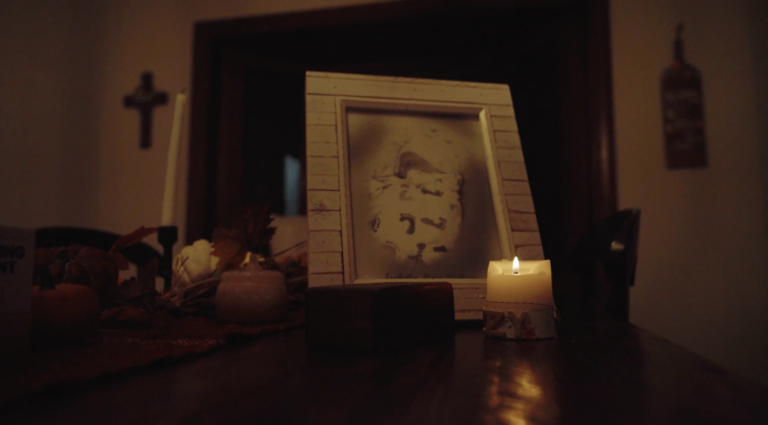
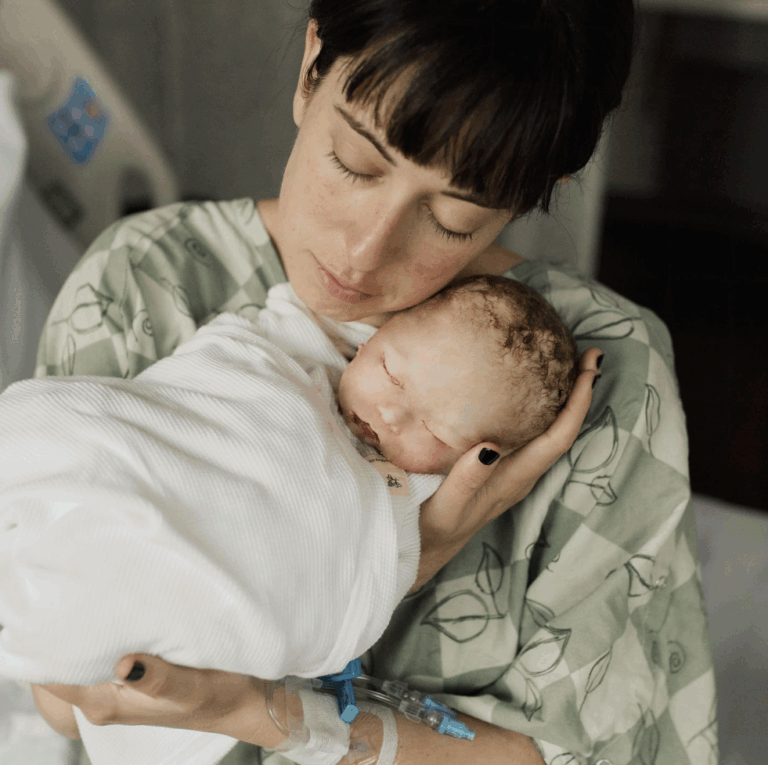
When social issues are discussed in policy rooms or news cycles, they’re often reduced to data points: how many people are displaced by climate impact, how many women suffer stillbirths each year, how many families are endangered by lack of access to clean water sources.
Statistics can’t hold the grief, resilience, or hope of such experiences. Only lived stories can truly do this.
The documentary format is effective at this because it allows for depth. It captures silence and breath, contradiction and context. It can translate urgency without oversimplifying and create space for complexity without losing clarity. This is essential when working with communities whose experiences are often flattened or misrepresented.
The Zain Jaffer Foundation’s approach is to support films that center the agency of the people they portray. Rather than framing communities as passive victims, documentaries highlight leadership, creativity, and resistance, offering nuanced portrayals that move beyond charity or pity.
The Zain Jaffer Foundation prioritizes partnerships with independent and emerging filmmakers, especially those working directly with affected communities. These storytellers often operate without the backing of major financial institutions. As a result, their films are more personal, less extractive, and more embedded in the lives of the people they feature.

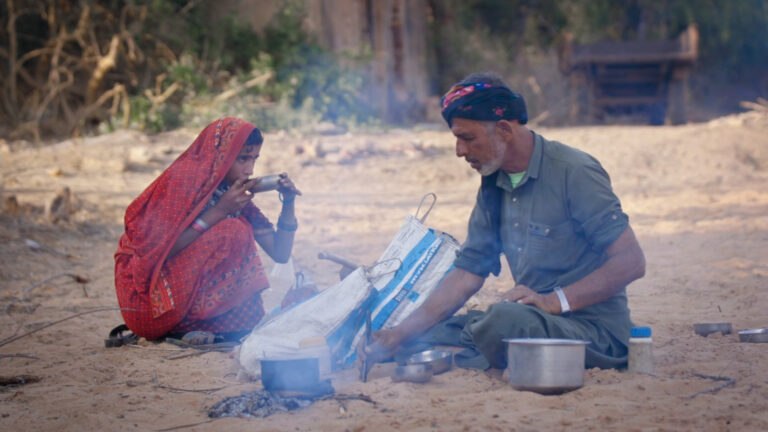
UNDER THE OPEN SKY. Photo from documentary.
The Impact of Documentary
Research conducted by the Center for Media and Social Impact (CMSI) shows that social impact documentaries can shift public opinion, influence policy, and galvanize movements. That said, our foundation-supported films are part of this ripple effect.
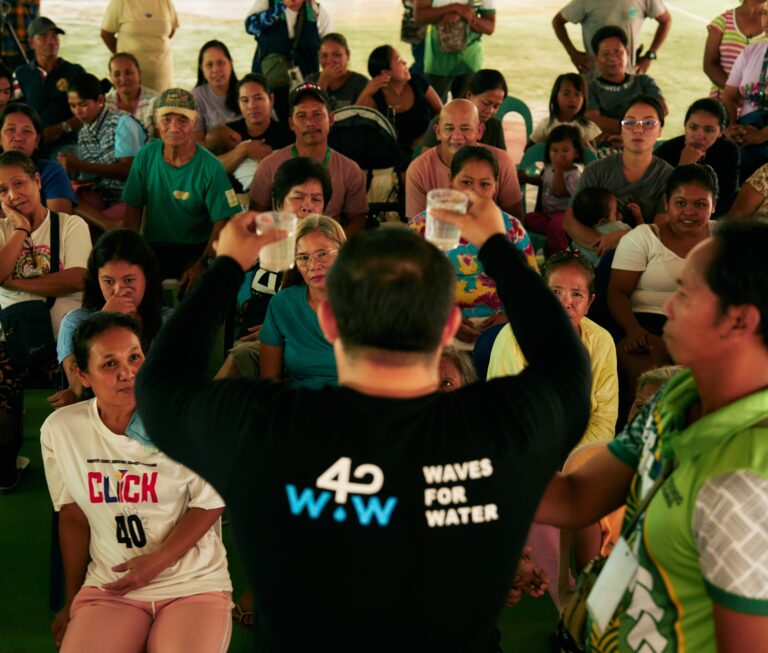
A great example of this is The Weight of Water, which offers an unforgettable affirmation of how climate change is not just based on scientific predictions and statistical data, but rather, it manifests in these communities’ lives at large. Meanwhile, Forced to Adapt, a story of climate resilience across small communities in India, and Under the Open Sky, which chronicles the erosion of pastoralism in Kutch, have both been screened at international festivals and used in educational and advocacy settings around the world.
Listening Forward
Ultimately, documentaries serve a greater purpose as an impactful media format. Through it, the Zain Jaffer Foundation helps rewrite whose voices get to be heard. In doing so, the Foundation not only brings attention to underrepresented communities but also brings accountability to systems that have long ignored them.
As we face global challenges that disproportionately affect those at the margins, the need for inclusive storytelling becomes more urgent. Through creating and collaborating with directors and partner communities, the Foundation helps remind the viewers that no one is voiceless, and every story deserves to be heard.